
Managing people who were your colleagues last month
Linda Hill followed nineteen new managers through their first year and found the transition is psychological rather than technical. The first two weeks, and one conversation with each former peer, are the whole lever.

What pharmacy leaders wear
The research on clinical attire is consistent and asymmetric. The same outfit carries different information depending on who is wearing it, which is why one colleague can leave this on autopilot and another cannot.

What changes when you stop being paid for time
A hospital pharmacist almost certainly already meets the duties test for exemption, which means the overtime is employer policy rather than law. A management offer is the moment that policy ends, and the break-even salary is usually higher than the offer.

What a sponsor does that a mentor cannot
A mentor spends an hour on you. A sponsor spends their own reputation. Coqual's survey of 3,213 professionals found only 24% sponsor anybody, and among those who do, believing in a protege is far more common than advocating for one.

Making the business case for a new pharmacy position
Pharmacy staff spend up to 66 hours a week on drug shortages alone, work nobody budgeted. How to convert that into a one-page business case finance can approve, and why writing it pays even when the answer is no.

What reduced hours do to a career over ten years
Danish population data puts the long-run earnings gap at 19.4% ten years after a first child, running through hours, participation and the wage rate. The wage-rate mechanism is the one nobody negotiates.

Precepting your first pharmacy student
Without a model you will copy whichever preceptor you had. The four ACPE roles as a sequence, the One-Minute Preceptor, why the feedback sandwich backfires, and the document to write before day one.

What remote work does to your promotion odds
A randomised trial found home workers produced 13% more and were promoted less. A second trial, testing hybrid rather than fully remote, found no promotion penalty at all.
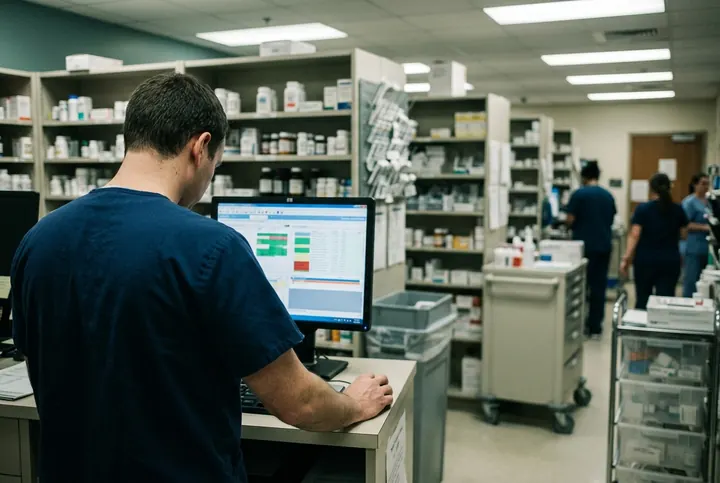
What to do after you make a medication error
Hospitals miss half of patient harm events, and the largest reason is that staff did not classify what happened as harm. What to file, what to write, and why silence is not the neutral option.

What ten years of night shift costs, and what it buys
An international agency classifies night shift work as probably carcinogenic on limited human evidence. The career mechanism is separate, structural, and manageable with two small asks.

What saying yes to everything costs you
Non-promotable tasks are work somebody has to do that nobody's advancement depends on. The research shows the asking is not random, and that the pattern is what does the damage.

What staying at one hospital costs
Job changers have recently outpaced stayers by about 2.2 percentage points a year, down from nearly 8 in 2021. The recommendation is to measure annually, not to move.

The Simple Logistics Fix Slashing Hospital Readmissions by Half
What the Emory meds-to-beds cohort actually found, why a retrospective design cannot settle whether the program caused the difference, and the exclusion that shaped the comparison.
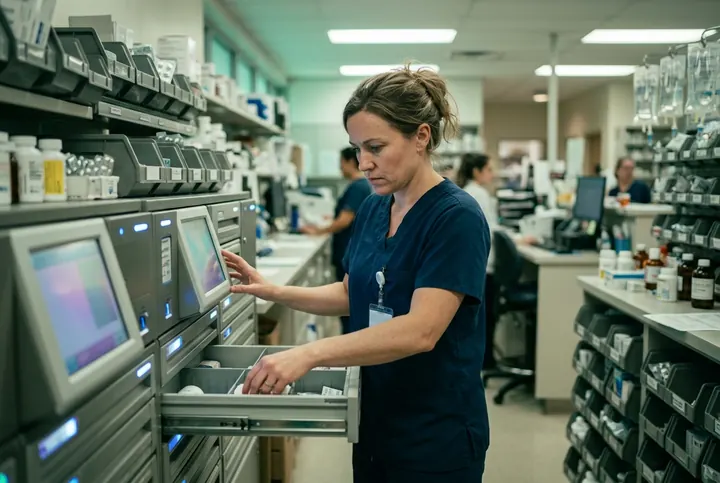
Beyond the Hype: What AI in Pharmacy Actually Looks Like in 2026
Three tiers of task: safe to draft with review, useful but verify every fact, and do not. What the adoption data shows, what the one pharmacy-specific study found, and the two rules that keep this from going wrong.

The "Rehearsed Answer" Trap: Why Your Clinical Interview Preparation is Failing (and How to Fix It)
What the people on the other side of the table are actually assessing, why rehearsed answers perform worse than honest ones, and the six things a hiring manager in hospital pharmacy is weighing that do not appear in a posting.

Why the Best Time to Browse Job Boards is When You Have Zero Intent to Leave
Looking is how you price your own role, spot which skills postings actually ask for, and stay reachable when something good appears. The people who only look when they are unhappy make the decision with the worst information and the least leverage.

The MBA Myth: Why Your Next Degree Won't Land You That Pharmacy Director Role
What director postings actually ask for, why the leadership candidate shortage weakens the requirement, the two routes and where the degree falls in each, and the three questions to answer before spending the money.

Your Pharmacy Career Isn't Stalled, Your Goals Are Just Built on the Wrong Foundation
32.1% of pharmacists say they are behind. A large part of that is measuring against titles rather than against work. How to restate a goal so it can be worked on, what the market says is actually available, and the three timelines that correct common assumptions.

Why Your Hospital Pharmacy Salary Is Not "Fixed" (and How to Actually Negotiate It)
Hospital compensation is structured, which changes what negotiation means. What is fixed, what is not, the two items that compound over a career, and the three sentences to actually say.

Stop Trying to "Act Extroverted": A Smarter Way to Speak Up When You're the Quiet One
83% of health care staff with a safety concern spoke up at least once and 41% of the same people stayed silent at least once. The largest barrier is not fear, it is believing it would not change anything. What to do instead of performing extroversion.

The 40% Fallacy: Why Being "Behind" in Your Pharmacy Career is Your Greatest Competitive Edge
The demand side is short of people and the supply side feels behind. What that mismatch means if you are mid-career, why the published pathway overstates what is required, and the four things that actually move a candidate.

The Clinical Pharmacist Title Trap: Why the Industry's Most Coveted Label is Often a Lie
Pharmacists are assigned to general medical-surgical units in 73.3% of hospitals and critical care in 68.5%. What the day contains, how it differs from a staff role, and the four questions that tell you which version of the job a posting is describing.

Beyond the title: what a director of pharmacy actually does all day
People, money, compliance, operations, the clinical program, and everything upward and outward. What the job is made of, what the description leaves out, and the honest account of what is better and worse than clinical practice.
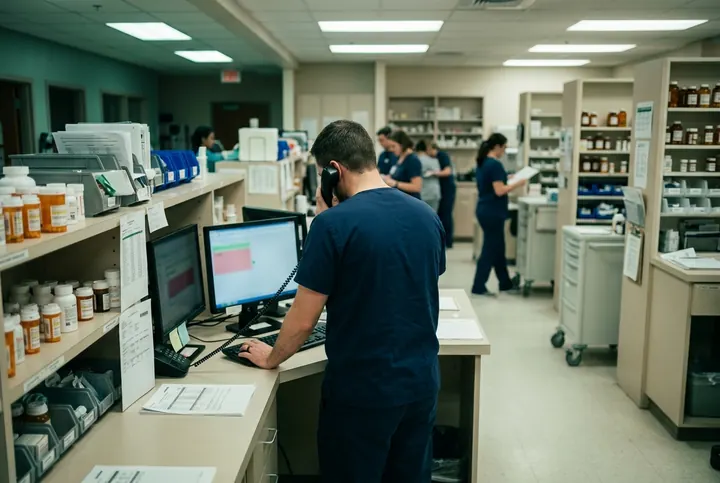
Stop Counting Years: The "Mandate" is the Only Signal That Matters
36.1% of pharmacists expected to search this year and 25.5% expected to leave. The eleven point gap is where most people live. Four signals that a job has changed under you, and the one that is not a reason to go.
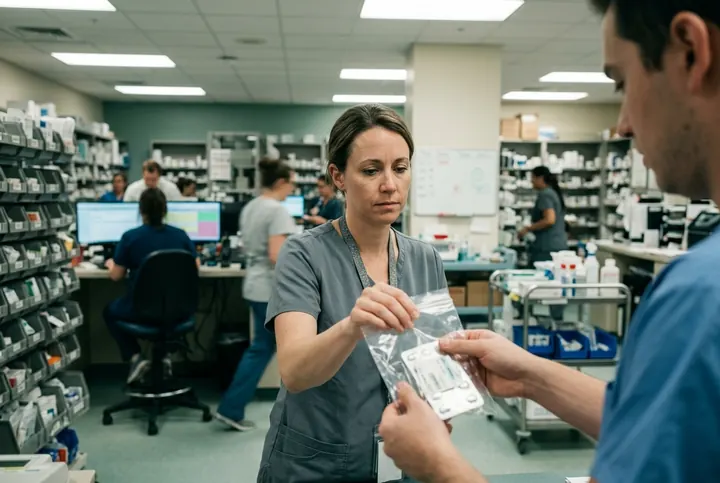
The Promotion Paradox: Why Hospital Pharmacy Roles Feel Unattainable (Even When They're Unfilled)
Why a department can be short and hiring nothing at the same time, the succession vacuum that decides who gets picked, the two things to negotiate on a move into management, and the four contributions a hiring panel can actually verify.
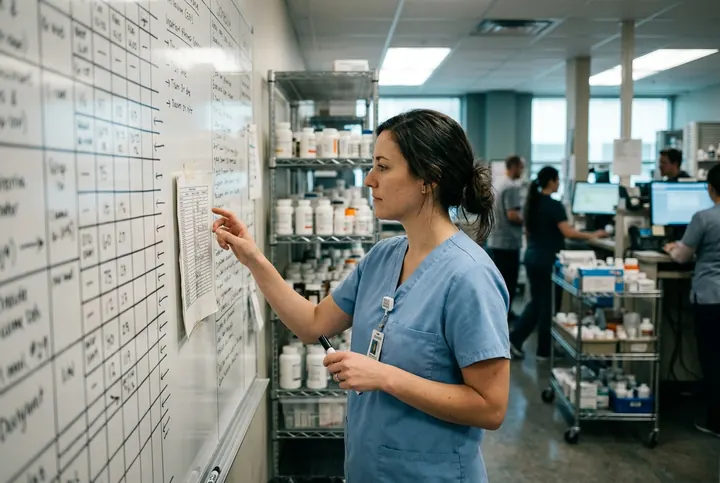
Why a 1.5-Minute Time Save Is Winning Over Pharmacists: The Truth About Ambient AI
41 pharmacists at one health system were given ambient documentation licenses. They used it for 65% of eligible encounters and saved 86 seconds of note time per visit, while reporting larger improvements in documentation burden and undivided attention. Burnout was studied and not reported as improved.

The "Invisible" Authority: Why 1 in 5 Hospitals Already Have Pharmacists Prescribing (And How Yours Can Too)
The 2024 ASHP survey put pharmacist independent prescribing at 18.5% of hospitals. What that number counts, the three layers of approval behind it, and how a pharmacist starts a collaborative practice agreement in a department that does not have one yet.
Where the jobs went: the 2026 pharmacist labor market, in the actual numbers
The May 2025 federal wage data is the first year hospital hiring did not offset the retail decline. Where the remaining growth actually is, what the projections do and do not say, and how to read a market that is moving in two directions at once.

The $17,000 Discrepancy: Which Pharmacist Salary Number Should You Use to Ask for a Raise?
The federal wage survey and the national workforce study disagree by $17,000 on hospital pharmacist pay, because one asks employers about wages and the other asks pharmacists about salary. Which number answers which question, and the three to bring to a review.

The Heavier Hour: Why Pharmacists Are Working Less but Feeling More Burnt Out
Hours fell about 5% while workload ratings rose 7 points. Hospital technician vacancy is 12.3% with 26.9% turnover, which is the strongest available explanation for where the extra work came from. What to measure, and what a staff pharmacist can raise.
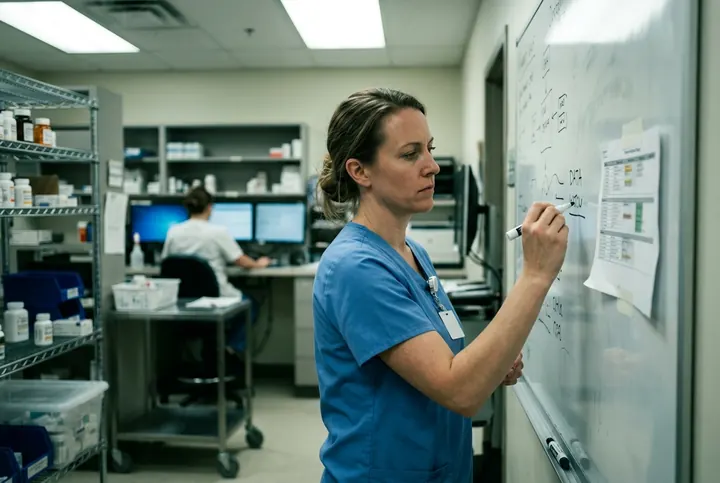
The Invisible Wall: Why You Can't Apply Your Way Into Pharmacy Informatics (and the 6 Projects That Will Get You In)
Epic certification requires employer sponsorship, so applying from outside hits a credential no individual can buy. From inside a hospital it becomes a budget line. Here are the six projects that get a pharmacist sponsored, and what to volunteer for.
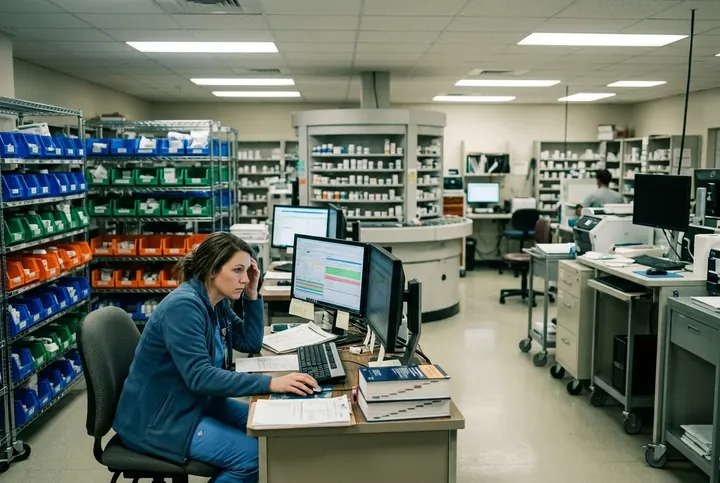
Your Boss is Paying: Don't Waste Your Training Budget on the Wrong Pharmacy Certificate
Board certification, certificate training programs and CE hours are not interchangeable. Board certification has a real eligibility gate that rules it out for many pharmacists today. Here is how to tell which applies to you before spending the budget.

The Lighthouse Trap: Why Fewer Pharmacy Graduates Might Not Save Your Career
Applicants fell 62% in a decade and graduates 24% from the 2018 peak. The contraction has already made residency substantially easier to enter. It has not slowed the retail contraction at all. Which one applies depends on what you want next.

The Pharmacy Shortage Myth: Why Both Sides of the Argument Are Right (and Wrong)
Pharmacist vacancy is about 4.7%, which is not a shortage. About 60% of departments report insufficient staffing for advanced clinical roles, which is. Retail shed 8,200 positions in 2025 while hospitals added 3,000. All three are true at once.
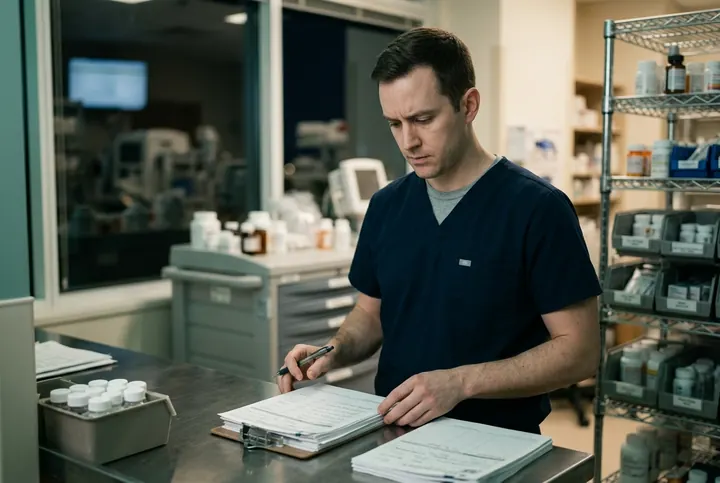
The $35,000 Gap: Why Some Night-Shift Pharmacists Earn $175k (and Others Don't)
Seven-on seven-off overnight roles reported $140k to $175k in the same thread. The difference is whether you are paid for 80 hours while working 70, and how differentials stack. What to ask before accepting, and the trade that surfaces around year five.
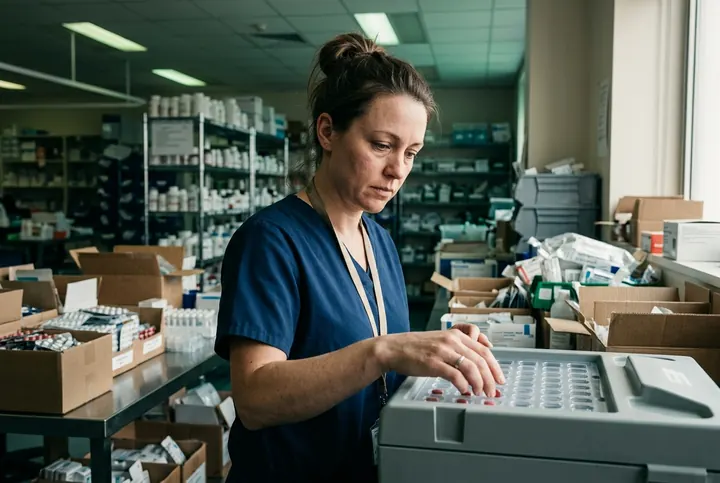
The Technician Vacancy Multiplier: Why Pharmacy Departments are Misallocating PharmD Labor
Nine in ten hospital pharmacy departments reported using pharmacists to do technician work. Pharmacist vacancy is 4.7%. Technician vacancy peaked above 22%. What that costs a department, and the credentials now arriving to fix it.

The $90,000 Reality Check: Is a Mid-Career Residency Actually Worth It?
The PGY1 match got easier between 2021 and 2026, but almost none of that reached applicants who had already graduated. What the data says, what a residency year costs, and what board certification does and does not replace.
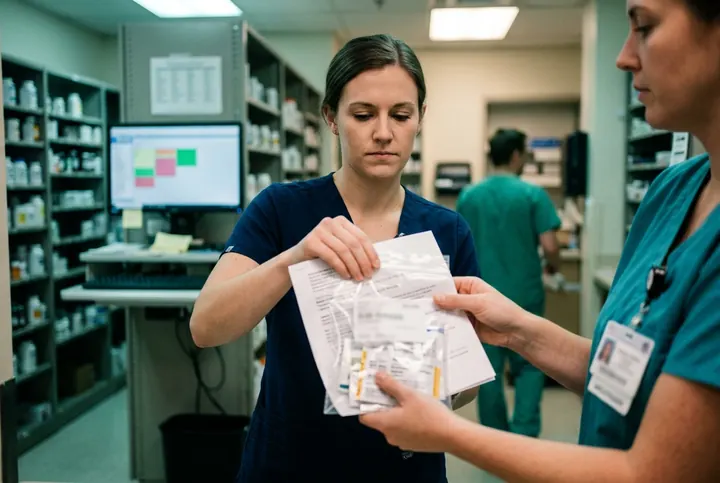
From retail to hospital: what actually gets you through the first 90 days
Hospital onboarding is rarely structured, so most of what feels like missing clinical knowledge is missing navigation, and navigation is fixable in an afternoon. The four things to build in your first ninety days, plus the residency benchmark to bring to your manager.
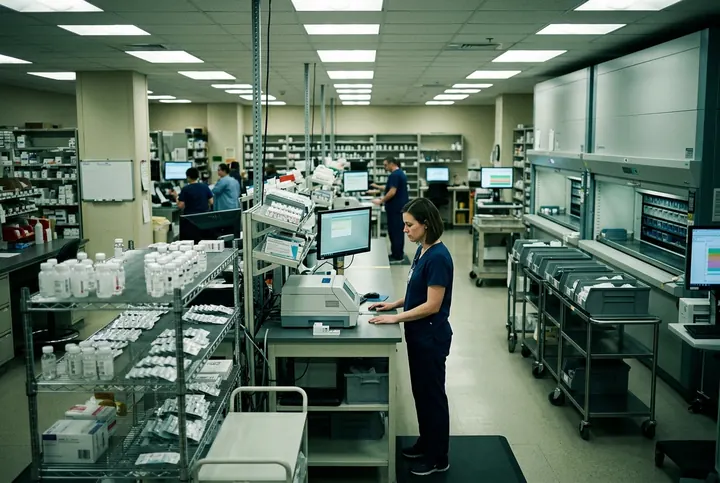
Is Your Pharmacist Salary Actually Falling Behind? The Missing Metric in the "Fair Pay" Debate
Pharmacist pay rose 2.7% in 2025, ahead of inflation. The premium over the average healthcare worker fell from 54% to about 30% in a decade. Both are true, and the second one explains why the raise does not feel like one.

The Pharmacy Automation Myth: Why AI is Already Here (But Not Replacing You)
48.5% of hospital pharmacy leaders use AI in some capacity and 23.7% use it daily, mostly for communications, diversion detection and data synthesis. The barrier they name most is training, not capability. What that says about displacement, and about provider status.
No posts match those filters yet.